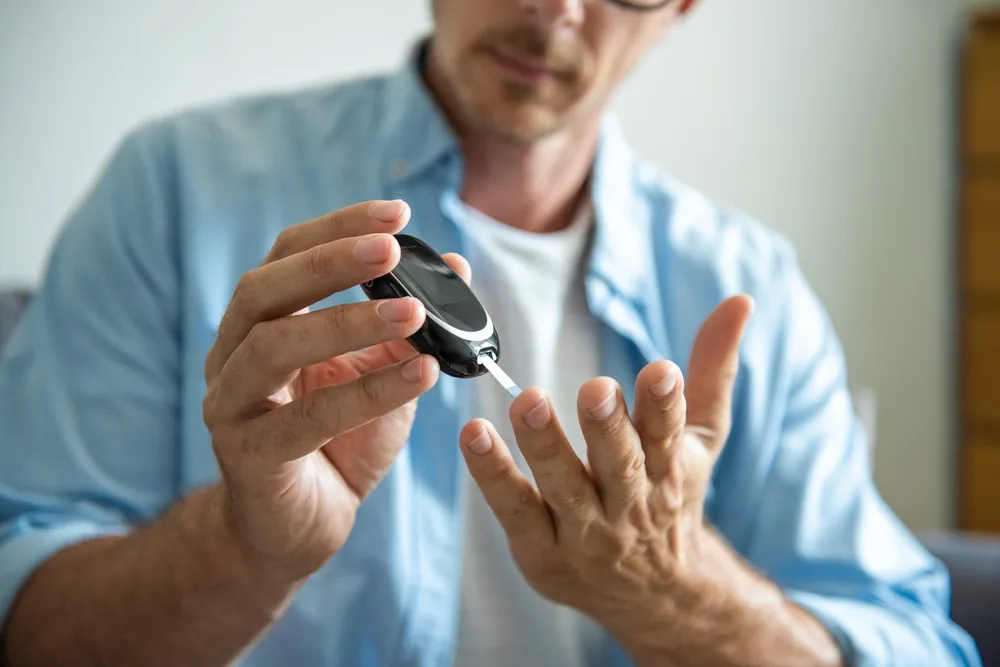
From smartwatches to fitness trackers, wearable technology has become a central part of modern life. These devices track steps, heart rate, sleep patterns, blood oxygen, and even blood pressure. For many, this data can motivate healthier habits and provide insights into well-being.
But for others, constantly monitoring health metrics can create stress instead of reassurance. When tracking turns into obsession, people may experience health anxiety — worrying excessively about minor variations or interpreting normal bodily changes as signs of serious illness. Understanding this phenomenon is key to using technology in a way that actually supports health rather than undermines it.
How Wearables Can Amplify Anxiety
Wearables give real-time feedback, which is generally positive for motivation. Yet the constant stream of data can also trigger worry. A slightly elevated heart rate, a restless night of sleep, or a temporary dip in oxygen levels may prompt unnecessary concern.
This continuous monitoring makes some individuals hyperaware of their bodies, magnifying minor fluctuations into perceived emergencies. Over time, this pattern can lead to chronic stress and disrupted daily routines.
Signs You Might Be Experiencing Health Anxiety
Health anxiety related to wearables can manifest in several ways:
- Obsessively checking metrics multiple times per day
- Worrying about minor or temporary deviations in readings
- Seeking frequent medical tests or reassurance without medical necessity
- Avoiding activities due to fear of triggering “bad” readings
- Feeling guilt or failure when targets (steps, calories, sleep hours) are not met
Recognizing these patterns is the first step toward reducing unnecessary stress.
When Tracking Helps, Not Hurts
Wearables are not inherently harmful. For many, they encourage physical activity, improve sleep habits, and provide early warnings for conditions like irregular heartbeats. The key is balance: using devices as a tool rather than a source of constant judgment.
To maintain this balance:
- Check your data at set times rather than continuously
- Focus on trends over days or weeks instead of minute-by-minute readings
- Remember that temporary deviations are usually normal and not cause for alarm
Mindful use of wearables can help you stay informed without fueling anxiety.
The Role of Mental Health in Health Anxiety
Health anxiety isn’t just about numbers; it’s also psychological. Individuals with generalized anxiety, past health scares, or a history of excessive worry are more likely to fixate on wearable metrics.
Tech tools can amplify existing tendencies toward obsession and stress. Addressing the mental health component — through therapy, mindfulness, or stress-reduction strategies — is often as important as moderating device use.
Tips for Reducing Wearable-Related Anxiety
If you find that wearables are causing more stress than motivation, consider these strategies:
- Limit notifications – Turn off alerts for minor fluctuations or non-essential metrics.
- Set realistic expectations – Remember that no device can perfectly capture every aspect of your health.
- Track the big picture – Focus on overall trends and lifestyle habits rather than isolated numbers.
- Establish device-free periods – Take breaks from checking stats to reduce obsessive patterns.
- Talk to a professional – Mental health providers can help develop coping strategies if anxiety becomes overwhelming.
These adjustments allow you to benefit from technology without sacrificing peace of mind.
When to Seek Professional Help
While occasional worry is normal, persistent anxiety that affects sleep, work, or daily functioning deserves attention. A healthcare provider or mental health professional can help distinguish between normal concern and excessive health anxiety.
Cognitive-behavioral therapy (CBT) has been shown to be particularly effective for health anxiety, helping individuals challenge irrational fears and develop healthier coping mechanisms.
Balancing Technology With Common Sense
The goal is to use wearables as partners in health rather than sources of constant worry. This means integrating data with real-world context: knowing that your resting heart rate may naturally fluctuate, sleep can vary night to night, and physical exertion can temporarily alter readings.
Combining awareness with perspective reduces stress and allows you to take meaningful action when genuine health issues arise, without becoming trapped by numbers.
Embracing Tech With a Calm Mindset
Wearable technology offers remarkable opportunities to learn about our bodies and improve well-being. But as the line between awareness and obsession blurs, health anxiety can sneak in unnoticed. By recognizing patterns of worry, establishing boundaries, and seeking support when needed, it’s possible to enjoy the benefits of technology while protecting mental and emotional health.
In the age of constant data, true wellness comes from balance: staying informed without letting numbers define your sense of health or happiness.
By Admin –