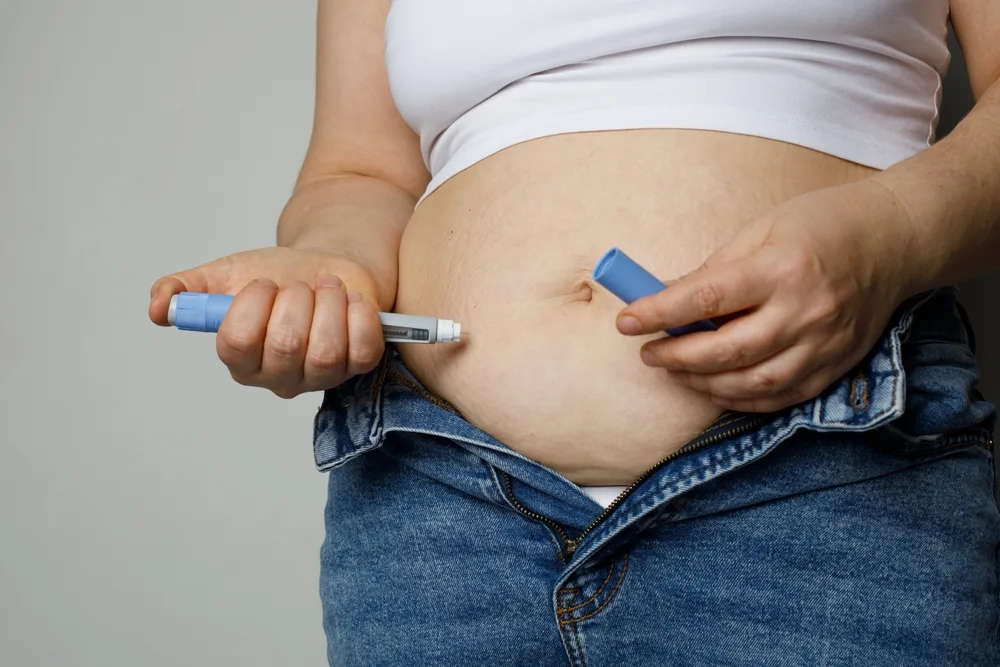
Weight-loss medications like Ozempic, Wegovy, Zepbound, and Mounjaro continue dominating health headlines this year. Millions of Americans are now using GLP-1 drugs not only for diabetes management, but also for rapid weight loss and obesity treatment.
But as these medications become more popular, a new health debate is growing quickly among doctors, researchers, and patients:
Are GLP-1 weight-loss drugs causing dangerous muscle loss?
The concern has become one of the biggest wellness stories of 2026, especially as new studies reveal conflicting findings about how these medications affect lean body mass, metabolism, and long-term health.
For many patients, the conversation is no longer just about losing weight. It’s about whether they are losing healthy muscle at the same time.
Why Muscle Loss Matters During Weight Loss
Doctors have long known that almost all forms of weight loss involve losing some muscle along with fat.
However, muscle mass becomes increasingly important as people age because it helps support:
- Strength and mobility
- Metabolism and calorie burning
- Blood sugar regulation
- Bone health
- Balance and fall prevention
- Cardiovascular health
Health experts warn that significant muscle loss could potentially increase the risk of frailty, fatigue, and long-term metabolic problems — especially in older adults.
That’s why the recent explosion of GLP-1 medications has sparked intense discussion throughout the medical community.
What Are GLP-1 Drugs?
GLP-1 receptor agonists are medications originally designed to help manage Type 2 diabetes. They work by mimicking hormones that regulate appetite, insulin, digestion, and blood sugar levels.
Popular medications in this category include:
- Ozempic
- Wegovy
- Mounjaro
- Zepbound
These drugs can dramatically reduce appetite and food cravings, helping many patients lose substantial amounts of weight over time.
This year, newer experimental drugs are showing even more dramatic results.
A recent Phase 3 trial for Eli Lilly’s experimental drug retatrutide showed average weight loss approaching 28% of body weight — numbers previously associated mainly with bariatric surgery.
That level of weight reduction is why demand for obesity medications continues rising across the United States.
The Muscle Loss Concerns Are Growing
As more patients use GLP-1 medications long term, concerns about lean body mass loss have intensified.
Some early studies suggested that as much as 40% of total weight loss from GLP-1 medications could come from lean body mass instead of fat alone.
That sparked fears that patients could unknowingly lose significant amounts of muscle while focusing mainly on the number on the scale.
This concern has become especially important for:
- Adults over age 50
- Patients with low protein intake
- Sedentary individuals
- People rapidly losing large amounts of weight
- Patients using GLP-1 medications without exercise
Searches related to:
- “Ozempic muscle loss”
- “Wegovy side effects”
- “GLP-1 muscle wasting”
- “How to preserve muscle while losing weight”
- “Best protein intake for GLP-1 users”
have surged throughout 2026 as patients look for answers.
New Research Suggests the Situation May Be More Complicated
While headlines about muscle loss have spread rapidly online, newer research published in 2026 suggests the issue may be more nuanced than many people initially believed.
A study published in Cell Reports Medicine found that GLP-1 medications primarily reduced body fat while producing smaller decreases in actual muscle tissue than previously feared. Researchers noted that some “lean mass loss” may actually reflect reductions in liver fat and other non-muscle tissue.
The study also found that muscle function and strength often remained stable — or even improved relative to body weight — despite reductions in total body mass.
Researchers emphasized that exercise appeared to play a major role in preserving muscle quality during treatment.
This is one reason fitness experts increasingly recommend combining GLP-1 medications with:
- Resistance training
- Strength exercises
- Higher protein intake
- Nutritional monitoring
Some Experts Still Believe Risks Are Being Underestimated
Despite reassuring findings from some recent studies, not all experts agree that the issue is settled.
Several reviews published in 2026 continue warning that muscle wasting could remain a serious concern for certain patients.
Some researchers argue that rapid weight loss itself — regardless of the method — can create health risks if patients are not properly monitored.
Others worry that social media trends surrounding weight-loss drugs may encourage:
- Extreme calorie restriction
- Inadequate nutrition
- Unrealistic body expectations
- Unsafe long-term use
Doctors are also expressing concern about the growing number of patients obtaining GLP-1 medications through online telehealth providers with limited medical supervision.
Mental Health Concerns Are Also Emerging
Another major development in 2026 involves the psychological effects of GLP-1 drugs.
Some healthcare providers report seeing rising cases of disordered eating behaviors among patients using these medications.
Experts warn that appetite suppression combined with rapid weight loss can sometimes trigger unhealthy relationships with food, particularly in patients with a history of eating disorders or body image struggles.
Mental health professionals are now urging doctors to screen patients more carefully before prescribing these medications.
Why This Story Has Become One of the Biggest Health Trends of 2026
The debate surrounding GLP-1 medications reflects a much larger shift happening in healthcare.
For the first time, highly effective pharmaceutical weight-loss treatments are becoming mainstream. That means obesity medicine is no longer a niche specialty — it is rapidly becoming part of everyday healthcare.
But with that shift comes new questions:
- How much weight loss is too much?
- What defines “healthy” weight loss?
- Can rapid fat loss affect metabolism long term?
- Should patients stay on these medications permanently?
- How important is exercise during GLP-1 treatment?
The answers are still evolving.
Patients Are Turning to Online Communities for Real-World Experiences
Many GLP-1 users are now sharing their experiences online through Reddit groups, social media communities, and health forums.
Some users report concerns about:
- Fatigue
- Weakness
- Reduced strength
- Loose skin
- Difficulty maintaining muscle
Others say resistance training and higher protein diets helped them avoid noticeable muscle decline while improving overall health.
Online discussions have become so influential that researchers are now analyzing social media posts to better understand side effects patients may not report during clinical trials.
What Doctors Recommend Right Now
Although recommendations continue evolving, many healthcare professionals currently advise patients using GLP-1 medications to focus on:
- Protein intake
- Strength training
- Hydration
- Regular medical monitoring
- Gradual lifestyle changes
- Nutritional support
Experts also emphasize that these medications are not magic solutions on their own.
Long-term health outcomes may depend heavily on whether patients maintain healthy habits alongside the medication.
The Bottom Line
GLP-1 weight-loss medications remain one of the most important healthcare stories of 2026.
While newer research suggests fears about catastrophic muscle loss may be overstated for many patients, doctors still caution that rapid weight loss requires careful monitoring — especially for older adults and people losing significant amounts of weight quickly.
At the same time, newer obesity drugs promising even greater weight loss are already moving through clinical trials, meaning this debate is likely only beginning.
For millions of Americans trying to improve their health, the challenge in 2026 is no longer simply losing weight.
It’s learning how to lose weight safely while protecting long-term strength, metabolism, and overall wellness.
By Admin –